Helping Children Grow Through Gentle Stories and Honest Emotions
Children learn about life through stories. Long before they explain feelings, they feel them. A good children’s book meets them at that level. It does not rush lessons. It lets meaning unfold. Stories with warmth and patience help children feel safe. They show that growth does not need pressure. They remind children that being themselves is enough. That is why thoughtful children’s stories make a lasting impact.
Why Emotional Stories Matter in Early Childhood
Children experience big emotions every day. Fear, joy, Doubt and Pride etc. but they struggle to name them. Stories help bridge that gap. When children read about characters facing similar feelings, they feel understood. They learn that it is okay to feel certain emotions. This is how books support nurturing emotional growth and confidence without direct teaching. They allow children to reflect without feeling judged.
Confidence Begins with Understanding
Confidence is not loud. It builds quietly over time. It starts when children feel accepted as they are. Stories that focus on self-discovery help children trust their inner voice. They learn that growth takes time. Molly’s story is inspiring courage and strength in children. It teaches bravery through small steps rather than bold actions.
Celebrating Differences without Pressure
Every child notice difference between themselves and their peers. They feel unsure about their own traits. Stories can guide them through these thoughts. Books that celebrate individuality help children understand that uniqueness is not a weakness. It is a strength. This story encourages embracing your unique magic in a way that children experience it themselves.
Teaching Self-Acceptance through Storytelling
Children often try to fit in. They watch others closely. They compare themselves more than adults realize. Stories that focus on acceptance show children another path. They show that self-worth does not depend on approval. This supports teaching children self-acceptance in a gentle and lasting way. When children learn this early, they carry it forward.
Imagination Helps Children Explore Safely
Imagination gives children space to explore ideas. It allows them to try new thoughts without fear. Through imagination, children build problem-solving skills and emotional awareness. Stories rooted in imagination encourage curiosity. They invite questions rather than answers. This helps children grow at their own pace.
Imaginative stories also help children see beauty in unexpected places. They support discovering inner beauty beyond outward traits or comparisons.
The Power of Simple, Character-Driven Stories
Children connect with characters more than messages. They remember moments, not lessons. That is why character-driven stories work so well. When children relate to characters, they absorb meaning naturally. They learn empathy without effort. They learn patience without instruction. This is why, Molly the Moth resonates with young readers. They focus on emotional growth rather than spectacle.
Building Emotional Strength Through Gentle Lessons
Emotional strength grows through understanding, not force. Stories that respect children’s emotional space build trust. When books support nurturing emotional growth confidence, children learn how to manage feelings. They learn how to respond rather than react. This helps children feel steady even during change.
Why Calm Stories Still Matter Today
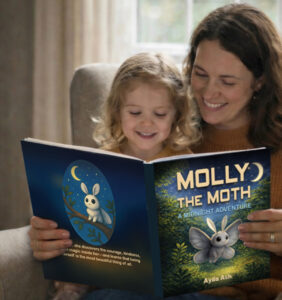
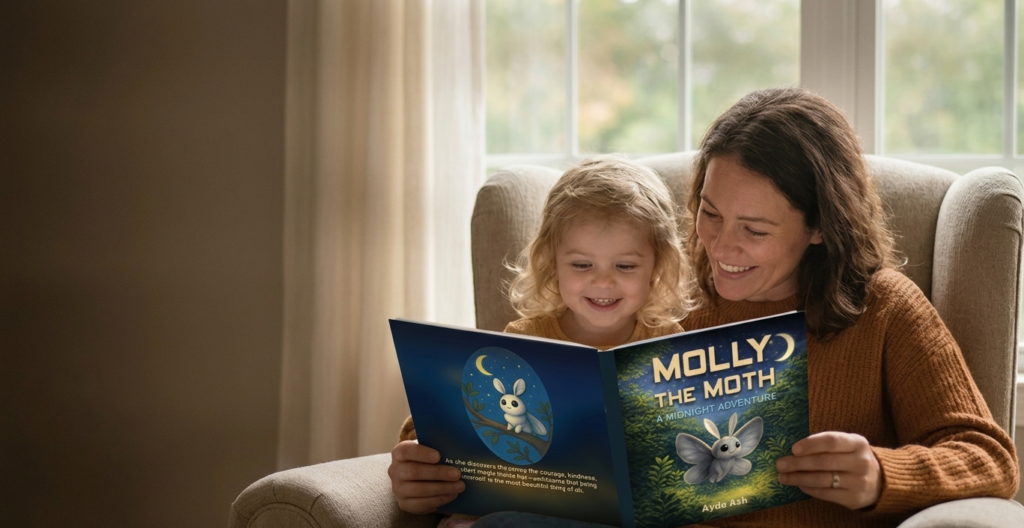
Children live in a fast world. Screens move quickly. Noise surrounds them. Calm stories slow things down. Molly the Moth is a quiet book that creates space for connection. It invites discussion. It opens moments between parents and children. These moments build trust and understanding.
Story That Stays with Children
Molly the Moth is a kind of story that stays long after reading ends. Children return to it because they feel seen. Stories like these are responsible for inspiring courage and strength in children. They help children face challenges with confidence. That is the lasting power of thoughtful storytelling.